
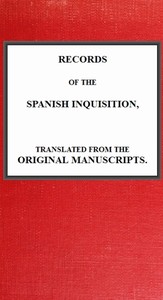
Records of the Spanish Inquisition, Translated from the Original Manuscripts
This isn't a novel with a plot in the traditional sense. Instead, think of it as a curated box of evidence from one of history's most infamous institutions. Andrew Dickson White, a historian and diplomat, translated a selection of original documents from the Spanish Inquisition's archives. The book is structured around these primary sources.
The Story
The 'story' here is the slow, grim reveal of a system at work. You won't follow a single character's journey. Instead, you read the rules they operated under, the charges brought against people (often for 'crypto-Judaism' or heresy), the methods of interrogation outlined, and the outcomes of trials. You see property inventories taken from the accused and the financial accounts of the Inquisition itself. The narrative is built by the documents, painting a picture of a self-sustaining organization that used fear and faith to consolidate power and wealth.
Why You Should Read It
What hit me hardest was the mundane evil in these pages. The horror isn't in screaming monsters, but in a receipt for ropes and pulleys, or a calm memo about proper procedure. It strips away the Hollywood drama and shows the Inquisition as a legal and administrative engine. You see how neighbors turned on each other, how belief was policed, and how bureaucracy can sanitize brutality. It's a powerful, first-hand look at what happens when ideology has absolute power and zero accountability. It makes you think hard about authority, gossip, and the language of persecution.
Final Verdict
This book is not a light read, but it's an important one. It's perfect for readers who want to go beyond textbook summaries and engage directly with the source material of history. If you're fascinated by true crime, psychology, or how institutions function (or malfunction), you'll find it gripping in a sobering way. It's for anyone who prefers their history raw and unvarnished, straight from the archives. Be prepared—it's not entertaining, but it is profoundly illuminating.
There are no legal restrictions on this material. It is available for public use and education.
Carol Wright
5 months agoThis is one of those stories where the author's voice is distinct and makes complex topics easy to digest. A true masterpiece.
Edward Johnson
11 months agoJust what I was looking for.
Barbara Martin
2 weeks agoAfter finishing this book, it provides a comprehensive overview perfect for everyone. Thanks for sharing this review.
Donna Hernandez
11 months agoI had low expectations initially, however the storytelling feels authentic and emotionally grounded. I couldn't put it down.

Carol Lopez
10 months agoWow.