
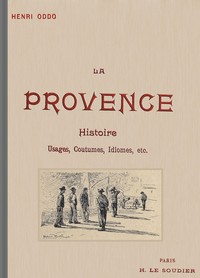
La Provence: Usages, coutumes, idiomes depuis les origines; le Félibrige et son…
Let's be clear from the start: this isn't a novel. There's no fictional plot with a hero and a villain. Instead, the "story" here is the real-life struggle of a regional culture to survive. Henri Oddo acts as our guide, taking us on a detailed tour of Provençal life as it was known in the 19th century and tracing its roots back much further.
The Story
Oddo structures his book like a field guide to a vanishing world. He starts by laying out the everyday habits, celebrations, and social rules that defined Provençal communities for generations. Think harvest festivals, wedding rituals, and local superstitions. Then, he dives deep into the language itself—Provençal, a sister language to French. He collects idioms, proverbs, and turns of phrase, treating them as the key to understanding the local mindset. The final part of the book focuses on the Félibrige, a cultural revival movement founded by the poet Frédéric Mistral. Oddo shows how this group of writers and activists wasn't just making art; they were mounting a political and emotional defense of their entire way of life against a national government pushing for uniformity.
Why You Should Read It
What grabbed me was the urgency in Oddo's voice. You can feel he's not just an academic observer; he's a participant. He's worried. When he explains a proverb or a folk tale, it's with the care of someone saving a precious heirloom from a fire. This personal stake makes a book about customs and dialects feel surprisingly urgent. It made me think about what we might be losing in our own fast-moving world. Are there local words or traditions where you live that your grandparents knew but your kids might not?
Final Verdict
This is a niche book, but a rewarding one. It's perfect for history buffs with a soft spot for cultural history, linguists who get excited about regional languages, or anyone planning a trip to Provence who wants to look beyond the lavender fields and understand the soul of the place. It's also a great pick for readers interested in how smaller cultures resist being swallowed up by larger ones. Fair warning: it's an old, detailed text, so it reads more like a passionate encyclopedia than a beach novel. But if you're curious about the stories that make a region, Oddo's work is a unique and heartfelt window into a world that was fighting to be remembered.
Legal analysis indicates this work is in the public domain. Preserving history for future generations.
Mason Miller
3 months agoSurprisingly enough, the pacing is just right, keeping you engaged. Exceeded all my expectations.
Dorothy Martinez
1 year agoLoved it.
Mason Torres
1 year agoGreat read!
Dorothy White
8 months agoSolid story.







Andrew Walker
1 year agoGreat digital experience compared to other versions.