
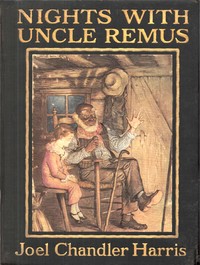
Nights With Uncle Remus by Joel Chandler Harris
If you're looking for a straightforward novel with a beginning, middle, and end, this isn't it. 'Nights With Uncle Remus' is a frame story. A young, unnamed white boy (referred to as 'Miss Sally's' son) is visiting a plantation in post-Civil War Georgia. His favorite part of the day is after supper, when he joins the other children—Black and white—around the hearth to listen to Uncle Remus spin his tales.
The Story
There isn't one plot. Instead, you get dozens of short, interconnected animal fables. Brer Rabbit is the star—a small, quick-witted trickster who lives by his wits. His neighbors are the bigger, stronger, but often gullible Brer Fox, Brer Wolf, and Brer Bear, who are always trying to catch and eat him. The 'story' is the endless cycle of their schemes and counter-schemes. Brer Rabbit might get stuck in a well, trapped by Tar-Baby, or caught in a garden, but he always uses clever talk and deception to turn the tables. Each night with Uncle Remus brings a new chapter in this ongoing animal soap opera, filled with dialect, humor, and sudden, often ironic, justice.
Why You Should Read It
First, the stories are genuinely entertaining. Brer Rabbit's escapes are satisfying in that classic 'little guy wins' way. But reading it today is a more layered experience. You're hearing African American folktales, filtered through the pen of a white journalist, Joel Chandler Harris. The book preserves a vital part of cultural heritage—these trickster tales have roots in Africa and were a form of storytelling and subtle commentary on power. The frame narrative itself, with its mixed audience listening together, is a powerful, if complicated, image. It makes you think about who tells stories, who gets to write them down, and what gets saved for history.
Final Verdict
This book is perfect for readers curious about folklore, American literature, and cultural history. If you enjoyed the trickster tales in Aesop's Fables or the animal characters in stories like 'Charlotte's Web,' you'll find familiar ground here, but with a distinct Southern voice. Go in knowing the dialect can take a few pages to get used to, and be ready to think about the context in which it was written. It's not a simple bedtime storybook; it's a meaningful, entertaining, and historically significant piece of writing that still sparks conversation today.
There are no legal restrictions on this material. Distribute this work to help spread literacy.
Kevin Hernandez
1 year agoFast paced, good book.
Elizabeth Lee
11 months agoEssential reading for students of this field.






Lisa Jackson
4 months agoFrom the very first page, it manages to explain difficult concepts in plain English. Highly recommended.