
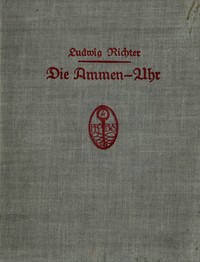
Die Ammen-Uhr: Aus des Knaben Wunderhorn by Arnim and Brentano
Let's clear something up first: this isn't a novel. 'Die Ammen-Uhr' (The Nurse's Clock) is a small section from a much larger famous collection of German folk poetry called 'Des Knaben Wunderhorn' (The Boy's Magic Horn). Think of it as a themed playlist. Editors Achim von Arnim and Clemens Brentano gathered old songs and poems from across Germany. This particular 'playlist' is all about nurses, nannies, and wet nurses—the women who raised other people's children.
The Story
There's no main character or plot twist. Instead, you get a series of short poems and songs. Some are playful and rhythmic, meant to be sung to children. Others are darker, filled with warnings. A nurse might promise treats for good behavior, or threaten a visit from the 'bogeyman' for misbehaving. Some verses quietly reveal the hard life of a nurse—a woman who cares for a child that isn't her own, often while missing her own family. The 'clock' in the title is a metaphor for the routines and rhythms of care, but also for the passage of childhood itself, watched over by these often-anonymous women.
Why You Should Read It
I picked this up expecting simple nursery rhymes and got something much richer. It's a direct line into the past, showing what people actually sang to their kids 200 years ago. The power dynamics are fascinating. These poems show a child's world where the nurse holds immense sway—she is the source of comfort, food, stories, and also discipline. It makes you think about trust, dependency, and the invisible labor of childcare throughout history. The editors, especially Brentano, weren't just copying things down; they were shaping a national identity. Reading it, you feel like you're part of a discovery, sifting through these snippets to understand ordinary lives.
Final Verdict
This is a niche but rewarding read. It's perfect for history buffs who like social history, or for anyone who loves fairy tales and wants to see their roots. If you enjoy projects like collecting family recipes or old family stories, you'll appreciate the vibe of this collection. It's also great for new parents curious about the long history of lullabies. Fair warning: it's a fragment, so it feels incomplete on its own. But as a window into a vanished world of childhood, it's surprisingly powerful. Don't read it for a story; read it to listen to the echoes of the past.
You are viewing a work that belongs to the global public domain. You do not need permission to reproduce this work.
Emily Jones
1 year agoI was skeptical at first, but the storytelling feels authentic and emotionally grounded. This story will stay with me.
Deborah Anderson
1 year agoThe formatting on this digital edition is flawless.
Lisa Brown
1 year agoFive stars!
Kenneth Anderson
2 days agoVery interesting perspective.




Logan Martinez
1 year agoHaving read this twice, the narrative structure is incredibly compelling. Worth every second.